
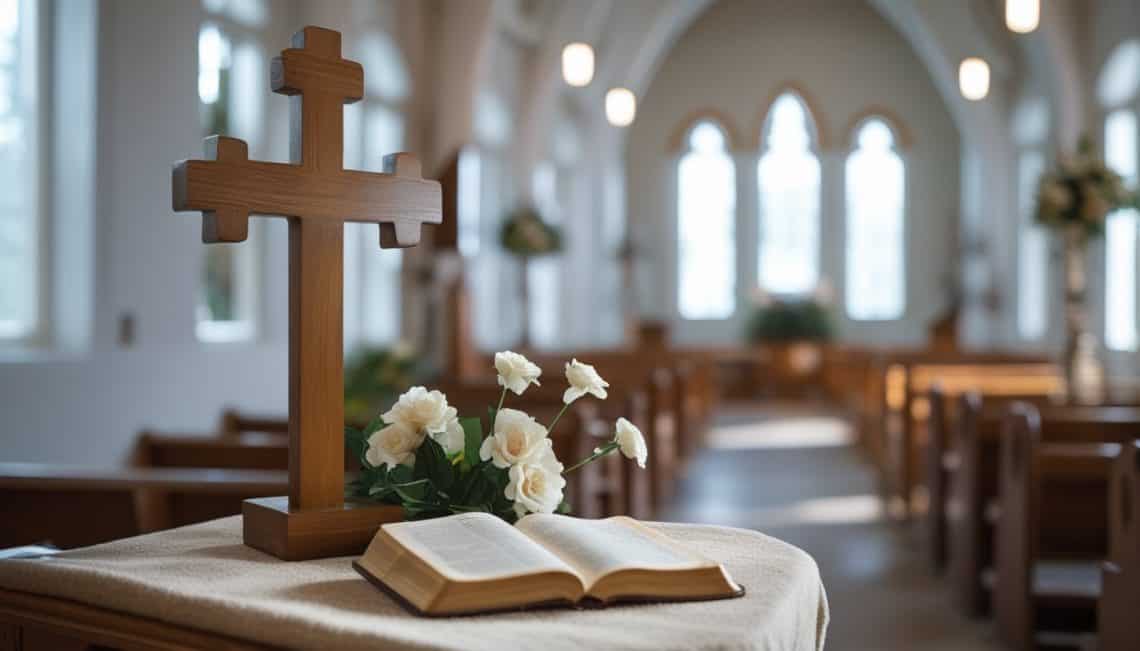
What a Christian Funeral Ceremony Means
A Christian funeral ceremony is a faith-centred service that helps families honour a life, express grief, and place their hope in God’s promises. It usually combines prayer, Scripture readings, hymns, reflections, and a committal at the burial or cremation site. While customs may vary across denominations and cultures, the overall purpose remains the same: to comfort the bereaved, remember the deceased with dignity, and affirm Christian beliefs about life, death, and eternal rest.
For families making arrangements, the main challenge is often deciding what should be included and how formal or simple the service should be. Understanding the structure of a christian funeral ceremony makes those decisions easier and helps the family choose an approach that fits both faith and personal preference. Related source: arrange a Christian funeral ceremony through HongEn Life.
Common Elements in a Christian Funeral Ceremony
Most Christian funeral services include a few core elements, although the order and style may differ depending on the church tradition and the wishes of the family. These elements usually work together to create a respectful and meaningful service.
Opening prayers and welcome
The service often begins with a prayer, a greeting from the officiant, and words of comfort. This opening helps set a reverent tone and reminds attendees that the gathering is both a farewell and an act of worship.
Scripture readings
Bible passages are commonly read to offer hope and reassurance. Popular choices often speak about God’s care, resurrection, comfort in sorrow, or eternal life. The selected readings may reflect the deceased’s faith, favourite verses, or the family’s spiritual needs.
Hymns and worship songs
Many families include hymns or worship songs that are familiar to the congregation. Music can support reflection and bring emotional comfort, especially when words alone may feel insufficient. In some services, a soloist, choir, or instrumental piece may also be included.
Eulogy and tributes
The eulogy usually shares memories, character, and meaningful moments from the person’s life. It may be delivered by a family member, friend, or clergy member. In a Christian setting, the tribute often highlights faith, kindness, service, and the impact the deceased had on others.
Committal or final farewell
The ceremony may end at the graveside or crematorium with a committal prayer. This final moment marks the physical farewell and is often accompanied by words of blessing, comfort, and hope. It gives the family a clear and solemn close to the service.
Different Ways Christian Funeral Services Can Be Held
There is no single format for a christian funeral ceremony. Families can choose from several options depending on church practice, budget, location, and personal wishes. Comparing these options helps families find a service that feels suitable without adding unnecessary stress.
Traditional church service
A traditional church service is often the most familiar option. It usually takes place in a church building and follows a formal liturgy, led by a pastor or priest. This option suits families who want a structured ceremony rooted in established Christian practice.
Funeral chapel service
A chapel service offers a quieter and more flexible setting. It may still include prayers, readings, and hymns, but with fewer formal elements than a church service. This option can be practical for families who prefer a simpler arrangement or need a venue close to the funeral home.
Graveside or burial service
Some families choose a shorter service directly at the cemetery. A graveside gathering is often more intimate and focused on the committal. It is suitable for those who want a modest ceremony or are combining it with a separate memorial service.
Memorial service after burial or cremation
A memorial service can be held after the body has already been buried or cremated. This gives families more time to plan a larger gathering or to arrange a service in a location meaningful to the deceased. It is also helpful when relatives are travelling from different places.
Simple family-led service
In some situations, the family may choose a very simple service with minimal formalities. This may include short prayers, selected verses, and a few personal words. It can be a practical and heartfelt choice when the family wants something private and easy to manage.
How Families Can Prepare for the Service
Planning a christian funeral ceremony becomes more manageable when the family focuses on a few key decisions early. Preparation does not need to be complicated, but it should be thoughtful enough to reflect the person being remembered.
Choose the tone of the ceremony
Some families prefer a solemn and traditional service, while others want a warmer celebration of life. The tone should reflect the deceased’s personality, the family’s faith practice, and the atmosphere that will bring the most comfort to those attending.
Select readings, songs, and speakers
Choosing readings and music in advance helps the service flow smoothly. Families should also decide who will speak, whether that is a clergy member, a family representative, or a friend. Keeping the number of speakers manageable often makes the service feel more focused and organised.
Coordinate with the church or funeral provider
Churches and funeral homes can guide families through practical matters such as venue arrangements, seating, order of service, and timing. Clear communication is important, especially when several people are involved in planning. This reduces confusion and helps avoid last-minute changes. Related source: Hong En Life.
Consider cultural and family traditions
In Malaysia and across the wider region, many Christian families blend church practices with cultural customs. These may include floral tributes, viewing arrangements, or specific family rituals. When handled respectfully, these traditions can make the service more personal and meaningful.
What to Expect as a Guest
Guests attending a christian funeral ceremony often want to show respect but may not know what to expect. A few simple guidelines can help them participate appropriately and support the bereaved family with sensitivity.
Dress modestly and appropriately
Attendees should wear respectful, understated clothing in dark or neutral colours unless the family requests otherwise. The aim is not to stand out, but to match the solemn nature of the occasion.
Follow the service with quiet attention
During prayers, readings, and moments of reflection, guests should remain quiet and attentive. If hymns are sung or responses are invited, participating in a gentle and respectful manner is usually appreciated.
Offer comfort with care
Condolences should be brief, sincere, and considerate. Simple words of sympathy are often enough. Families in mourning usually value presence more than long conversations, especially immediately after the service.
Choosing the Right Approach for the Family
The best christian funeral ceremony is one that balances faith, dignity, and the family’s practical needs. Some families may want a formal church service with familiar liturgy, while others may prefer something smaller and more personal. There is no single correct choice, as long as the service reflects Christian hope and honours the person being remembered.
When comparing options, families may find it helpful to think about venue, budget, denomination, number of guests, and the level of participation they want from relatives and friends. With clear planning and support from church or funeral professionals, the service can become a calm and meaningful farewell that brings comfort to those who are grieving.


